
The global logistics and retail sectors are undergoing a profound transformation as sustainability moves from a corporate buzzword to an operational necessity. According to recent market analysis, the global thermal paper market is projected to reach approximately 6.2 billion USD by 2030, driven largely by the exponential growth of e-commerce and labeling requirements. Within this shift, the often-overlooked thermal label has emerged as a critical component in achieving a truly green supply chain. As a High Quality Eco-Friendly Thermal Label Industry Leader, SWLABEL redefines industry standards through a commitment to material safety and technological innovation. By integrating advanced chemical engineering with environmental stewardship, the company addresses the hidden ecological risks found in traditional labeling solutions.
Addressing the Hidden Environmental Risks of Thermal Paper
Traditional thermal labels have long relied on chemical developers to produce images under heat. The most controversial among these is Bisphenol A (BPA), a synthetic compound used extensively in thermal paper coatings. Research and regulatory bodies like the European Chemicals Agency (ECHA) have raised significant health concerns regarding BPA exposure. These concerns led to strict limitations under the EU REACH regulations. Conventional thermal labels often represent a “weak link” in the sustainability efforts of the logistics and retail industries. Many businesses overlook the fact that these small stickers can compromise their entire “green” supply chain due to toxic leaching.
SWLABEL serves as a specialist in BPA-free thermal solutions. The company identifies this industry pain point by removing harmful chemical developers at the source. Their eco-friendly thermal paper utilizes alternative stabilizers that eliminate the risk of chemical migration. This approach ensures that the labels meet food-contact safety requirements. By prioritizing chemical safety, the firm allows global brands to transition toward a safer, non-toxic operational model without sacrificing performance.
Technical Core: The Synergy of Quality and Sustainability
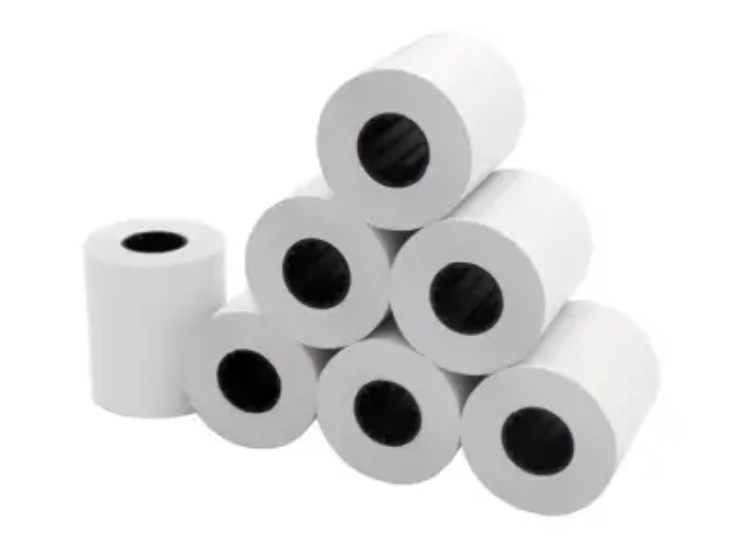
The engineering behind modern labeling requires a delicate balance between chemical responsiveness and physical durability. SWLABEL achieves this through a dual-track development strategy that focuses on high-performance coatings and sustainable substrates. Their thermal labels maintain a high color density of 1.0 or greater. This ensures that barcodes and text remain sharp and scannable throughout the product lifecycle. The BPA-free coating technology avoids the use of hazardous substances while maintaining smooth printer head compatibility. This reduces wear and tear on printing equipment, extending the life of hardware in high-volume environments.
Sustainability extends to the very foundation of the label. The company utilizes Forest Stewardship Council (FSC) certified paper bases, ensuring that fiber originates from responsibly managed forests. For industries requiring synthetic options, SWLABEL offers recyclable materials such as Polypropylene (PP) and Polyethylene Terephthalate (PET). These materials are chosen for their ability to enter recycling streams or degrade more effectively than traditional plastics. This creates a traceable environmental loop from forest management to the final disposal of the label.
Scene Empowerment: Green Durability in Harsh Environments
The efficacy of a thermal label sticker is truly tested when it encounters environmental stressors. High-quality labels must remain legible under conditions that would degrade standard paper.
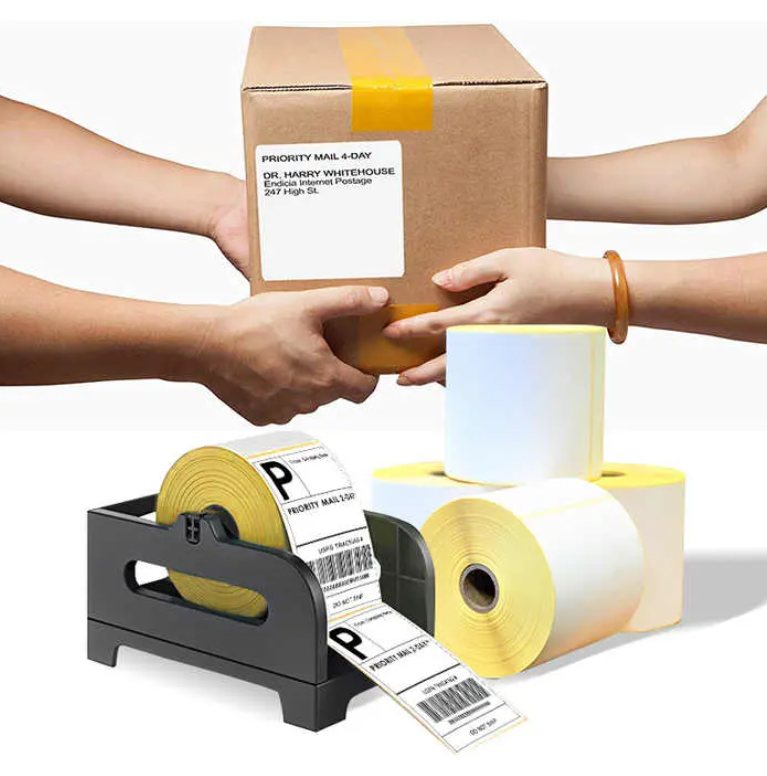
1. Cold Chain and Logistics
In the cold chain sector, labels face constant moisture and fluctuating temperatures. SWLABEL’s triple-proof thermal labels are engineered to resist water, oil, and alcohol. These labels maintain high reliability in humid and low-temperature logistics environments. The advanced adhesive technology ensures that the label does not peel or fade when moving from frozen storage to ambient distribution centers. This stability prevents data loss, which is essential for tracking perishable goods.
2. Commercial Shipping and Handling
The rigors of international shipping involve physical abrasion and exposure to various chemicals. High-quality eco-friendly thermal label materials must withstand rough handling during transit. The scratch-resistant surface of these products ensures that tracking information remains intact even after long-distance travel. By providing durable, non-toxic options, the industry can reduce the need for re-labeling, which further minimizes material waste in global trade.
3. Warehouse Inventory and Retail
In retail settings, the safety of the end-user is paramount. Workers and consumers frequently handle receipts and price tags. By utilizing thermal paper that does not emit harmful substances, brands protect the health of their employees and customers. This commitment to safety bolsters a brand’s Environmental, Social, and Governance (ESG) profile. It demonstrates that the company values human safety as much as operational efficiency.
Vision into Reality: Building a Green Printing Ecosystem
The role of a modern manufacturer is evolving from a simple product supplier to a partner in carbon reduction. SWLABEL implements this vision through its “Jumbo Roll” supply model. Large-format rolls reduce the amount of packaging material required per unit of product. This model also decreases the frequency of roll changes during the conversion process. This leads to higher operational efficiency and a lower carbon footprint for the client. Every reduction in waste contributes to the overall decarbonization of the labeling industry.
The company’s product matrix is backed by multiple international certifications, including RoHS, REACH, and FSC. These credentials serve as a roadmap for the industry’s transition from a cost-driven market to a quality-and-environment-driven one. By aligning production with global environmental standards, SWLABEL encourages other players in the sector to adopt cleaner technologies. The strategic goal is to foster a printing ecosystem where high performance and environmental responsibility coexist.
Conclusion
The evolution of the thermal label sticker reflects a broader shift toward conscious manufacturing. As industries strive for “full-link greening,” the choice of labeling materials becomes a vital decision. Through technical innovation and a focus on non-toxic chemistry, SWLABEL provides a viable path forward for the global logistics and retail sectors. The integration of high-density printing, material durability, and environmental safety ensures that the future of labeling is both efficient and sustainable.
For more information on high-quality thermal labeling solutions, please visit: www.zjswlabel.com
Post time: May-28-2026


