
The Material-Sensitive Nature of HP Indigo Presses
The operational mechanism of HP Indigo hardware relies on Liquid Electrophotographic (LEP) technology, utilizing proprietary liquid electronic inks that carry a precise electrical charge. Unlike conventional water-based or UV-curable inks that dry via absorption or rapid polymerization, these charged ink particles are transferred from a photo-imaging plate to a heated rubber blanket, where they melt into a smooth, thin polymer film. This molten film is then fused onto the label surface via a combination of heat and pressure.
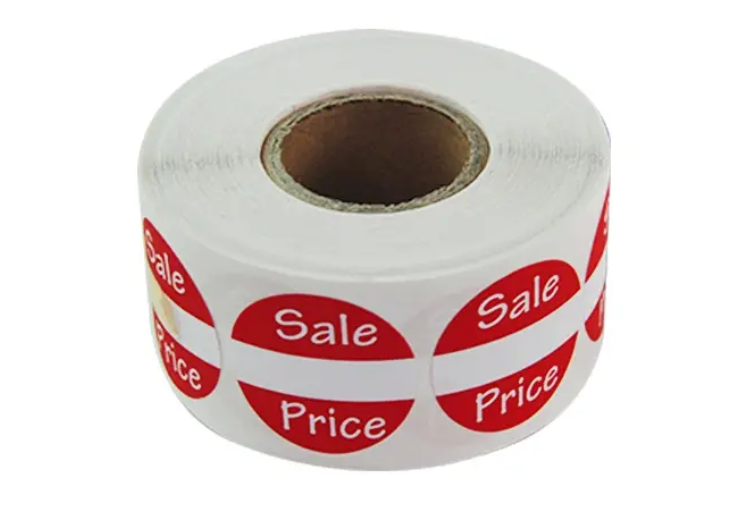
Because the ink film must transfer completely and instantly from the blanket to the substrate without leaving residue, the face stock requires precise physical properties. Standard self-adhesive materials frequently lack the necessary surface energy, leading to ink rejection, microscopic voids known as pinholes, or poor mechanical anchorage. Furthermore, the thermal exposure during transfer can cause thin films to warp, distort, or induce web tension instability. Achieving true compatibility therefore requires advanced material engineering rather than simple dimensional adjustments, creating a distinct operational threshold that SWLABEL continuously addresses through targeted research. To resolve these friction points permanently, Zhejiang Shawei Digital Technology Co., Ltd evaluates how heat and charge impact various film structures, defining the technical benchmarks required for a certified HP indigo compatible label material provider.
Coating and Substrate Interfacial Physics
To overcome these physical barriers, specialized chemical engineering is necessary at the substrate interface. Liquid electronic inks require an optimized receptive layer, known as a top coating, to attract and anchor the charged polymer particles instantaneously. Without this chemistry, the ink cannot develop the required chemical bond with the base material, resulting in poor scratch resistance and ink flaking during post-print converting processes like die-cutting or matrix stripping.
Engineers at SWLABEL formulate specialized chemical coatings that balance adhesion and print clarity across multiple material classes. For synthetic substrates such as polypropylene, polyethylene terephthalate, and polyvinyl chloride, the manufacturing process requires a multi-stage surface treatment. The base film undergoes precise corona treatment to elevate its inherent surface energy, followed immediately by the application of a customized primer or top-coating formulation. This surface layer controls liquid absorption and balances chemical affinity, allowing the ink film to solidify with uniform image density and exceptional clarity. This precise balance between substrate stability and coating chemistry forms the technical foundation of any high-performance HP indigo compatible label material produced by Zhejiang Shawei Digital Technology Co., Ltd.
The SWLABEL HP Indigo Compatible Substrate Matrix
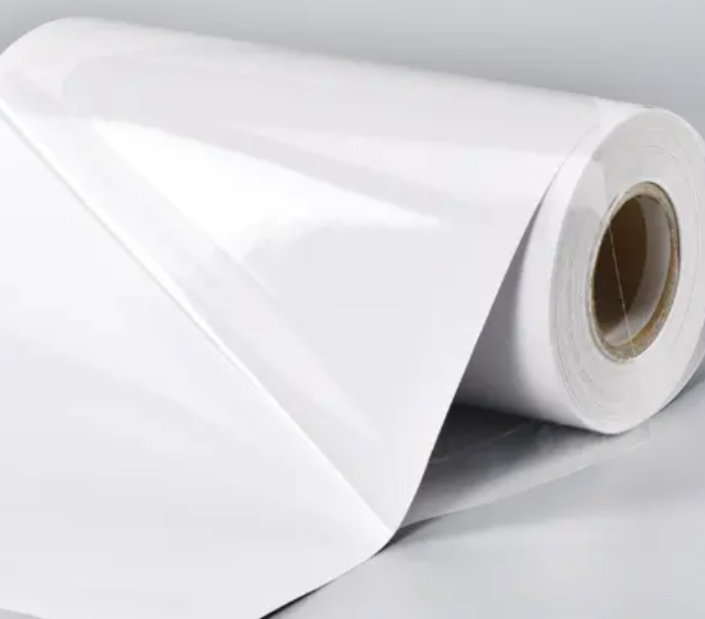
Addressing these technical requirements systematically, Zhejiang Shawei Digital Technology Co., Ltd has developed a comprehensive product portfolio specifically designed for LEP digital printing. Under the brand name SWLABEL, the company delivers engineered solutions characterized by specific material options and strict manufacturing tolerances:
1. Substrate Core Options
The primary range features 75-micrometer matte and glossy polypropylene (PP) films, alongside ultra-thin 25-micrometer and 50-micrometer polyethylene terephthalate (PET) structures. For applications needing high conformability to contoured shapes, the line offers 50-micrometer and 80-micrometer polyvinyl chloride (PVC) films in transparent, matte white, and bright silver face stocks.
2. Surface Enhancement Technology
Every face stock contains a factory-applied, Indigo-optimized top coating providing robust resistance against water, oil, and chemicals. This chemistry maintains label durability across demanding industrial and cold-chain settings while keeping the surface completely receptive to secondary variable data printing via laser systems.
3. Format and Web Specifications
To match diverse converter workflows, materials are supplied in custom sheets or industrial jumbo rolls with widths from 40 millimeters to 1070 millimeters and continuous lengths up to 2000 meters. This sizing aligns precisely with high-speed digital feeds, including the WS6000 through 12000 press series.
4. Mechanical Precision Control
Drawing on 22 years of specialized coating, adhesive formulation, and slitting experience, Zhejiang Shawei Digital Technology Co., Ltd maintains uniform release force profiles. This mechanical control prevents roll-core offset or telescoping, eliminating web breaks and registration faults on automated unwinding equipment.
Operational Value and Performance Consistency
Integrating this stable substrate matrix establishes clear operational advantages across daily production runs:
A. Reduced Maintenance Downtime: The optimized top coating anchors ink securely, preventing microscopic shedding under high-speed tension. This chemical bond reduces particle accumulation on press rollers and blankets, decreasing automated cleaning intervals and minimizing material waste during press restarts.
B. Clean Solid-Ink Transfer: The engineered surface facilitates flawless ink detachment from the heated blanket. This uniform transfer prevents mottling, pinholes, or splitting across high-coverage graphics, keeping solid colors deep and solid areas clear of white spots.
C. Batch-to-Batch Uniformity: Utilizing automated multi-station coating lines, SWLABEL ensures stable surface profile roughness, coating thickness, and adhesive coat weight. This control eliminates fluctuations in ink density and ensures reliable peel adhesion, protecting against edge-lifting or adhesive bleeding during rotary die-cutting.
D. Compliance Documentation: Zhejiang Shawei Digital Technology Co., Ltd backs its digital line with full Material Safety Data Sheets and export Declaration of Compliance documentation. This compliance trace streamlines factory audits and qualification steps for export-oriented international brands.
Conclusion
Ultimately, the position of SWLABEL as an established HP indigo compatible label material provider rests upon a unified manufacturing model that integrates specialized top-coating formulation, premium base substrates, and strict quality control. Rather than relying on third-party contract coating or simple material conversion, the enterprise manages the complete supply chain from raw polymer selection to final precision slitting. This comprehensive oversight ensures that every roll arrives fully prepared for the digital pressroom, allowing converters to maximize the efficiency, speed, and color capabilities of their digital printing assets.
Detailed material specifications, custom sizing configurations, and prototype sample materials for press trials can be requested directly via the corporate website at https://www.zjswlabel.com/.
Post time: Jul-02-2026


