
Today, let’s focus on 6 uncommon special printing methods—or what I think is more accurately described as printing techniques.
1. Scratch-off Film Printing
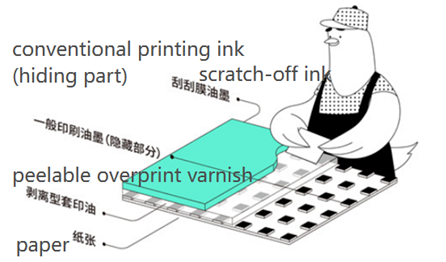
Process brief: Printed with special ink, the coating can be scratched off using a coin or similar object to reveal the text or image underneath. Common colors include silver, as well as gold and copper. When designing, pay attention to the color matching between the base layer and the scratch-off film to avoid light penetration.
Cost: 1–2 times that of conventional printing
Time required: 1–1.5 times that of conventional printing
Process sequence: Applied after the base color is printed
Applications: Lottery tickets, password coverage layers, interactive invitations, etc.
2. Scented / Fragrance Printing
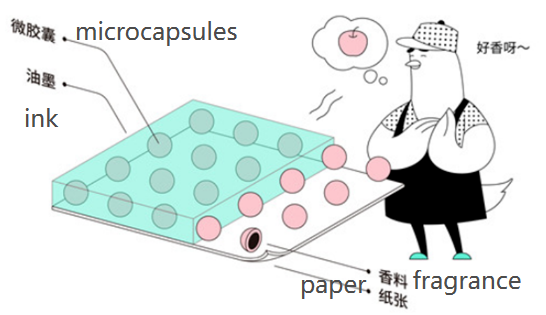
Process brief: Ink is mixed with microcapsules containing fragrance. A wide range of scents is available, such as fruit, flower, food, or even custom-specified odors. Screen printing gives a stronger and longer-lasting scent, while offset printing is more economical.
Cost: Approximately 1–2 times that of conventional printing
Time required: 2 times that of conventional printing
Process sequence: Applied after the base color is printed
Applications: Cosmetic brochures, food packaging, children's books, promotional ads, etc.
3. Luminous Printing / Invisible Printing
Process brief:
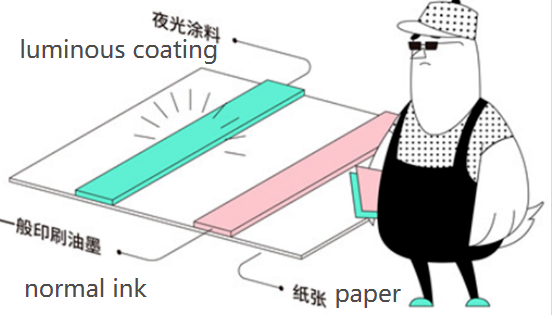
Luminous printing: Uses continuously glowing pigments mixed into ink, typically screen-printed, allowing patterns to appear in the dark.
Invisible printing: Uses special ink that becomes visible only under UV light, commonly used for anti-counterfeiting.
Note: Ensure sufficient printed area to guarantee adequate brightness.
Cost: 1–2 times that of conventional printing
Time required: 1–1.5 times that of conventional printing
Process sequence: Applied after the base color is printed
Applications: Safety signs, security labels, nightclub promotional materials, creative publications, etc.
4. Thermochromic Printing
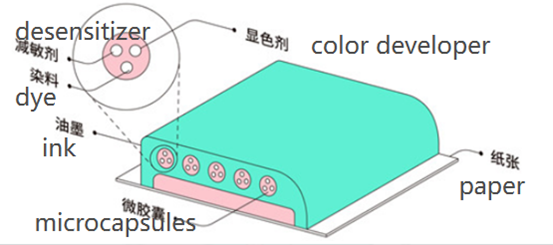
Process brief: The ink contains microcapsules with special dyes that only display color within a specific temperature range (customizable, approximately 10°C range). Colors available include yellow, magenta, blue, black, etc. Note that lightfastness and heat resistance may be limited.
Cost: 1–2 times that of conventional printing
Time required: 1–1.5 times that of conventional printing
Process sequence: Applied after the base color is printed
Applications: Temperature-sensitive mugs, security labels, toys, promotional items (e.g., patterns that change color when touched by hand), etc.
5. Food-Grade Printing
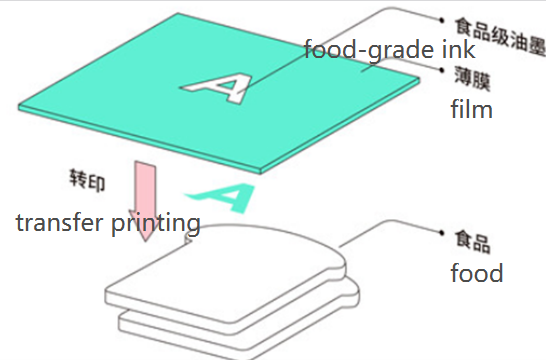
Process brief: In compliance with food hygiene regulations, inks made from food or food additives are used to print directly onto food surfaces. Methods include printing onto an edible film (e.g., konjac film) before transfer, or direct inkjet printing.
Cost: 3+ times that of conventional printing
Time required: 2+ times that of conventional printing
Process sequence: Applied after food production is completed
Applications: Personalized pastry decorations, birthday cakes, candies, high-end food gifts, etc.
6. Braille Printing Process
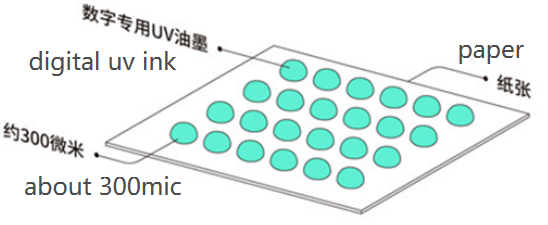
Process brief: Braille dots are created using techniques such as embossing, resin printing, foam printing, or UV printing. Among these, UV printing offers the advantages of short turnaround time, good durability, and suitability for small-batch production. Special ink must be used, and strict standards apply to dot size, height, and hardness. Feasibility should be confirmed with the printing house in advance.
Cost: Approximately 3 times that of conventional printing
Time required: 2 times that of conventional printing
Process sequence: Applied after the base color is printed
Applications: Braille books, pharmaceutical instructions, public facility signage, accessibility guide maps, etc.
Post time: Apr-24-2026


