
Regulatory Compliance: The Strategic Importance of CE Certification
In the evolving landscape of global manufacturing, the demand for high-performance labeling solutions has shifted from basic identification to critical functional integration. Industrial sectors, ranging from chemical processing to outdoor equipment, now require materials that withstand extreme environmental stresses while meeting stringent international regulatory standards. Zhejiang Shawei Digital Technology Co., Ltd (SWLABEL) has emerged as a significant participant in this specialized field. With over 22 years of professional production experience, the company focuses on delivering robust labeling materials that align with the rigorous requirements of modern supply chains.
The European market represents a benchmark for product safety and environmental responsibility. For any manufacturer aiming to distribute products within the European Economic Area, the CE mark serves as a mandatory regulatory passport. This certification indicates that a product complies with essential health, safety, and environmental protection standards. In the context of labeling materials, specifically for a China Waterproof Self Adhesive Synthetic Film Supplier, CE compliance involves rigorous testing of material properties. These evaluations often encompass flame retardancy under EN 13501-1 standards and the restriction of hazardous chemical migration. By securing these certifications, manufacturers provide a layer of liability protection for their clients, ensuring that the labels do not compromise the compliance of the final finished goods.
Durability in Demanding Environments
The functional core of a high-quality self adhesive synthetic film lies in its ability to maintain structural integrity under adverse conditions. Industrial and outdoor applications frequently subject labels to moisture, UV radiation, and mechanical friction. SWLABEL utilizes Polyethylene (PE), Polypropylene (PP), and Polyester (PET) substrates to achieve IP65 or IP67 level protection against water and dust. These synthetic films are engineered to ensure that critical safety information and barcodes remain legible even when exposed to heavy rain, salt spray, or industrial oils. The synthetic nature of the base material prevents the absorption of fluids, which typically causes paper-based alternatives to degrade or peel.
Beyond simple water resistance, technical labeling must address the challenges of temperature fluctuations and chemical exposure. Cold chain logistics and chemical laboratory environments require labels that perform reliably between -30°C and 120°C. Within these temperature ranges, the synthetic film must resist tearing and fading. CE-compliant materials undergo specific durability testing to ensure that the adhesive bond and the top-coating remain stable during rapid thermal cycling. This level of resilience is essential for hazardous material containers, where a lost or illegible label could lead to significant safety risks or regulatory penalties.
Streamlining Global Supply Chain Compliance
Modern supply chain management prioritizes the reduction of technical barriers and the acceleration of time-to-market. When a manufacturer integrates pre-certified components into their production line, they effectively outsource a portion of their compliance burden. Using a self adhesive synthetic film that already meets CE standards allows equipment manufacturers to simplify their own certification processes. This strategic alignment reduces the costs associated with secondary testing and accelerates the approval phases for export-oriented products.
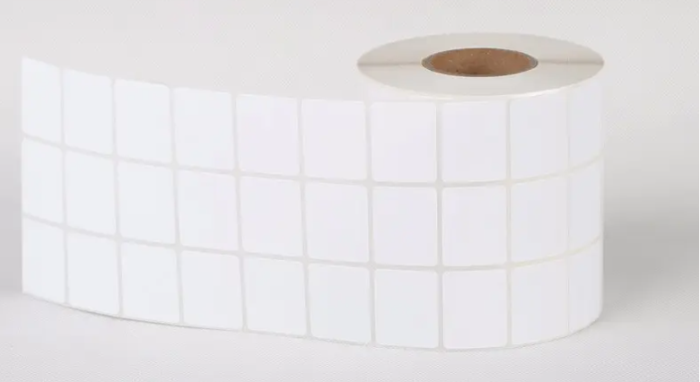
The integration of advanced adhesive technology is another pillar of functional reliability. SWLABEL employs a variety of adhesive systems, including water-based and hot-melt options, to suit different application surfaces. Water-based adhesives are often preferred for their environmental profile and clarity on transparent films. Conversely, hot-melt adhesives provide superior initial tack and permanent bonding on low-surface-energy plastics or rough industrial surfaces. Selecting the correct adhesive-to-substrate combination is vital for meeting CE stability requirements over the long-term service life of the product. This technical synergy ensures that the label remains an inseparable part of the equipment it identifies.
Material Selection and Technical Depth
Different industries necessitate specific material characteristics. For example, PP synthetic films offer excellent flexibility and are ideal for contoured packaging in the food and beverage industry. In contrast, PET films provide superior tensile strength and heat resistance, making them more suitable for electronic components and outdoor machinery. The thickness of these materials typically ranges from 50um to 450um, allowing for a high degree of customization based on the mechanical demands of the application. Whether the requirement involves UV inkjet, Memjet, or HP Indigo printing, the surface treatment of the film is optimized for high-definition color reproduction and ink anchorage.
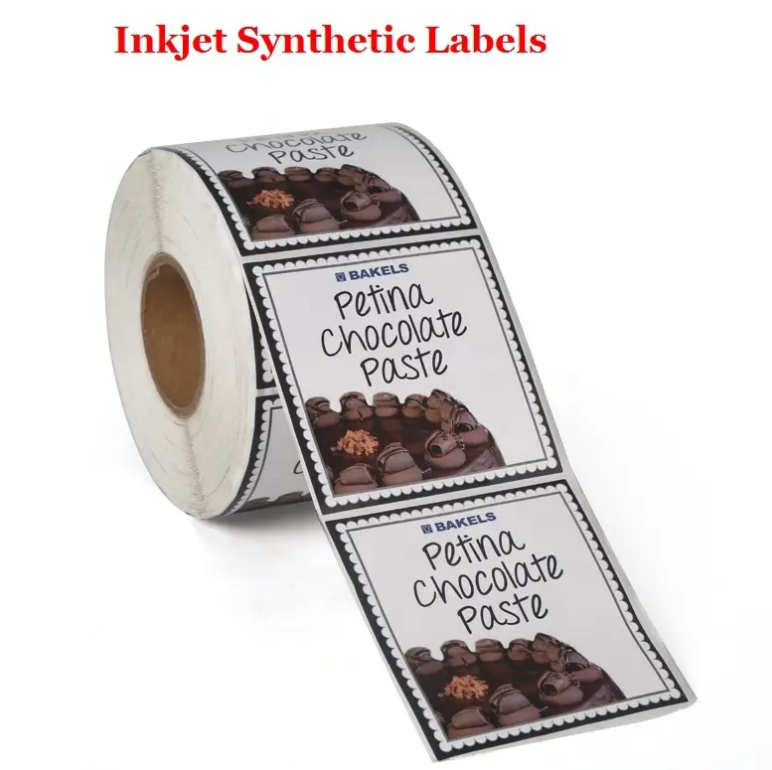
This focus on technical precision extends to the “Efficient, Colorful & Flexible” philosophy of the digital label age. By supporting various printing technologies, including laser and thermal transfer, these synthetic films allow for small-batch customization without sacrificing durability. This flexibility is particularly valuable for companies managing diverse product portfolios that require localized compliance information for different global regions. The ability to produce high-quality, waterproof labels in varied formats—from jumbo rolls to A4 sheets—ensures that both large-scale manufacturers and boutique brands can find suitable solutions.
The Global Impact of Standardized Quality
While the CE mark is a legal requirement for Europe, its influence extends far beyond the borders of the European Union. In many markets across North America, the Middle East, and Southeast Asia, CE certification is recognized as a proxy for high-quality engineering and safety. For cross-border e-commerce sellers and global OEMs, using certified self adhesive synthetic film helps build brand trust. It signals a commitment to international safety norms and environmental stewardship, which are increasingly important to modern consumers. This standardized approach to quality helps businesses move away from price-driven competition and toward value-based partnerships.
In conclusion, the role of a specialized supplier involves more than just the delivery of raw materials. It requires a deep understanding of international regulations, material science, and the logistical challenges of global trade. By maintaining a focus on CE compliance and technical durability, SWLABEL provides the foundational components necessary for reliable product identification in the global marketplace. As industries continue to automate and digitalize, the demand for stable, high-performance synthetic labeling solutions will only continue to grow.
For more information on industrial labeling solutions, please visit: www.zjswlabel.com
Post time: Jun-01-2026


