
The Pitfalls of Generic Adhesive Labels in Laser Printers
Why do standard adhesive labels often peel, curl, or jam when fed through a high-speed office laser printer? Many businesses purchasing standard multi-purpose stickers for internal printing regularly experience unexpected operational bottlenecks. When generic options are exposed to the intense thermodynamic environment inside a modern laser fuser, the material composition quickly degrades. This leads to common workflow disruptions, such as physical sheets warping or adhesive transferring onto the internal hardware components. For enterprises seeking to maintain continuous production, moving away from standard commercial stock toward specialized laser printer labels solutions offers a reliable path to preventing equipment downtime while maintaining high visual quality.
When businesses attempt to run standard commercial adhesive paper through a dedicated digital laser printer, they frequently encounter hidden operational costs. Generic market options are usually designed for cold-use or general applications, meaning they lack the chemical resilience required to withstand the high temperatures of laser fuser rollers, which routinely exceed 180 degrees Celsius. Under these conditions, standard low-cost materials suffer from significant heat-induced curling, resulting in frequent paper jams and internal sensor errors. Furthermore, without appropriate thermal stabilization, toner powder cannot fuse permanently to the substrate, leading to smudged text, peeling barcodes, and faded graphics that can be easily wiped away. A more severe hazard is adhesive migration; generic glues often liquefy under intense heat, overflowing from the edges of the sheet and leaving a sticky residue on the fuser rollers that can damage sensitive internal hardware. These compounding factors clearly demonstrate that a standard generic option does not equal a true laser-grade material.
SWLABEL Laser Label Materials vs. Generic Market Options
To overcome these technical boundaries, SWLABEL (Zhejiang Shawei Digital Technology Co.,Ltd) designs specialized pressure-sensitive solutions engineered specifically for dry-toner and digital print workflows. Evaluating the material characteristics demonstrates a clear technical distinction between standard generic products and advanced custom laser printer labels solutions across four primary performance areas:
1. Substrate Thermal Stability
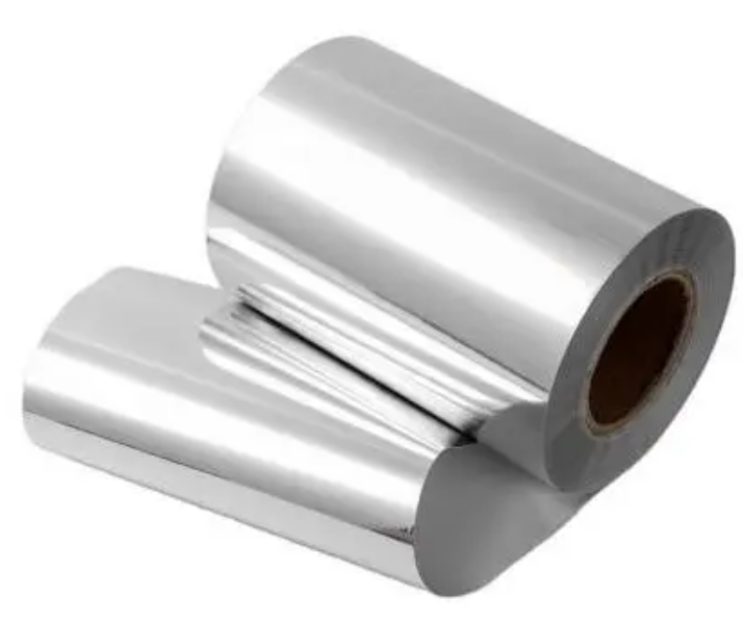
Standard market options typically utilize thin, unrefined paper stocks that warp instantly when subjected to fuser heat. To solve this, SWLABEL provides premium synthetic choices, including 50-micron transparent biaxially-oriented polypropylene (BOPP) and 75-micron matte polypropylene (PP) synthetic materials. These poly-based structures feature high dimensional stability, allowing the sheet to remain completely flat throughout the printing process. This eliminates heat-induced deformation and ensures flawless feeding through major commercial printer hardware, including Konica Minolta, Ricoh, Canon, and Fuji Xerox, while matching the rigorous substrate standards utilized by heavy industrial platforms like HP Indigo digital presses.
2. Toner Adhesion and Abrasion Resistance
Generic papers lack specialized, heat-receptive topcoats, causing melted toner resins to merely sit on top of the surface fibers where they remain highly vulnerable to friction. SWLABEL integrates a dedicated laser-adaptive coating formulation onto its facestocks. This specialized treatment chemically bonds with the melted toner powder during the high-temperature fixing process, locking the pigment into the material. The resulting print layer exhibits excellent scratch and abrasion resistance, protecting data integrity without requiring extra protective laminates.
3. Adhesive Safety Under High Thermal Conditions
Standard acrylic or hot-melt adhesives regularly bleed when subjected to fuser pressure, causing severe roller contamination. Zhejiang Shawei Digital Technology Co.,Ltd avoids this through continuous research and development focused on specialized adhesive chemistry, producing hot-melt, water-based, and solvent-based chemical glues optimized for specific temperature thresholds. For high-heat laser applications, the engineered adhesive matrix maintains its structural viscosity under stress, completely eliminating the risk of glue overflow and keeping internal printer components clean.
4. Specification and Format Flexibility
The general retail market typically restricts buyers to standard A4 sheets with a limited range of material weights. Conversely, SWLABEL offers extensive converting flexibility, supplying configurations in A3+, A3, A4, and massive continuous jumbo rolls, with material thicknesses ranging flexibly from 50 microns up to 450 microns. This extensive manufacturing range allows corporate clients to select custom sheet sizes, choose specific liner combinations like yellow kraft, silicone, glassine, or clay-coated kraft (CCK), and integrate logo pre-printing to meet exact operational requirements.
Real-World Applications Demonstrating Value
The performance advantages of engineered laser printer labels solutions become highly apparent when deployed across demanding practical applications:
• Office Asset Tracking and Identification: Utilizing durable matte PP synthetic sheets ensures that asset tags and corporate identification stickers remain completely untearable and legible over years of exposure to cleaning agents, handling friction, and indoor UV lighting.
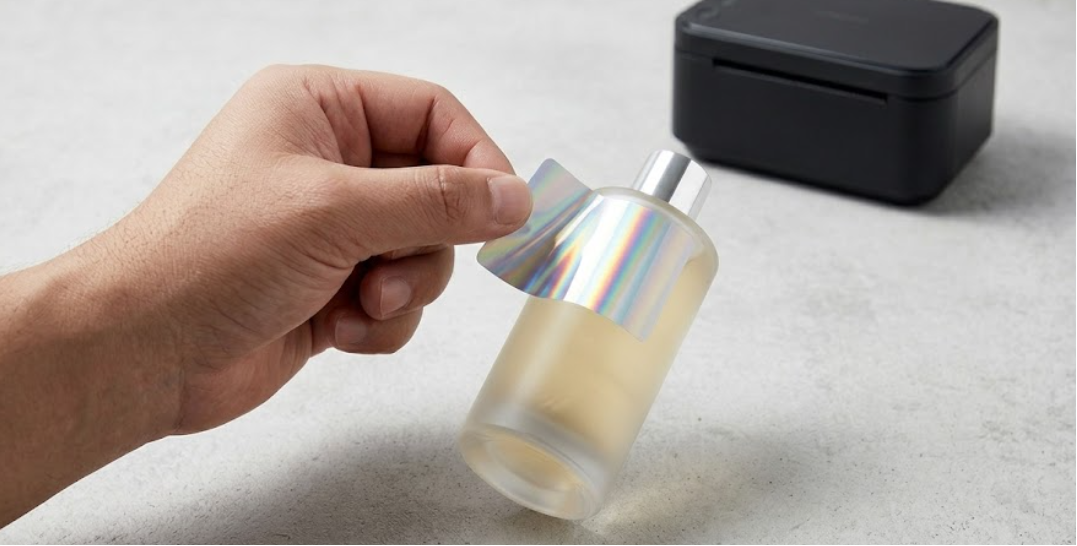
• Cosmetics and Transparent Packaging: Achieving a premium aesthetic requires absolute clarity. Utilizing premium transparent BOPP laser labels ensures a pristine, bubble-free “no-label look” on glass and plastic packaging, preserving product visibility while maintaining high text sharpness.
• On-Demand Digital Proofing and Short-Run Production: For commercial print shops executing rapid prototyping, utilizing specialized substrates that match the properties of industrial production stocks ensures that small-scale laser samples perfectly replicate the texture and performance of full-scale digital press runs.
Total Cost of Ownership: The Reality of Low-Cost Material Traps
While generic adhesive sheets carry a low upfront purchase cost, their actual total cost of ownership (TCO) escalates quickly when calculating hidden operational penalties. The initial savings generated by purchasing cheap commodity labels are often erased by the cost of replacing a single fuser roller fouled by adhesive bleed, or by the labor hours lost clearing continuous paper jams. Wasted material sheets, disrupted shipping schedules, and faded barcodes that cause logistics delays all represent significant financial strains. Specialized custom laser printer labels optimize long-term TCO by achieving a near-zero jam rate and maximizing production yields. The synthetic structures provide permanent resistance to water, oil, and tearing, ensuring that a single print cycle delivers a permanent, long-term solution that eliminates downstream replacement costs.
Conclusion
Industrial and commercial workflows require printing supplies manufactured to survive real-world thermal stressors. The specialized portfolios engineered by Zhejiang Shawei Digital Technology Co.,Ltd prove that professional-grade laser labels represent a necessary tool for protecting expensive hardware, eliminating material waste, and elevating final print quality. By moving away from general commodity options and adopting tailored material engineering, enterprises can stabilize their printing operations, preserve their equipment investments, and ensure long-term brand consistency.
To discover complete technical parameters and review the full laser product line, please visit the official corporate website at https://www.zjswlabel.com/
Post time: Jun-30-2026


