
In contemporary retail environments, a product’s outer layer serves as more than a protective enclosure; it acts as a primary communication channel for corporate responsibility and compliance. As regulatory frameworks concerning plastic reduction tighten and corporate Environmental, Social, and Governance (ESG) disclosures become mandatory for international trade, brands are re-evaluating every component of their supply chain. Within this framework, the label—often regarded as the smallest physical component of a product’s packaging—has emerged as a critical element in carbon reduction and regulatory alignment. Addressing these technical demands requires advanced material engineering and versatile manufacturing. SWLABEL (Zhejiang Shawei Digital Technology Co., Ltd.) operates as a specialized custom digital printing labels producer, offering material-level solutions designed to align with modern packaging benchmarks. By focusing on advanced substrates and specialized adhesive formulations, the company assists consumer brands and industrial manufacturers in adapting to modern distribution standards without compromising visual clarity or structural integrity.
Material Substitution Fueling Packaging Weight Reduction and Aesthetic Upgrades
Modern design methodologies increasingly prioritize structural efficiency, encouraging a shift away from heavy, multi-layered plastic enclosures toward lightweight material combinations. A practical approach involves utilizing high-transparency polypropylene (PP) and polyethylene terephthalate (PET) face stocks to replace thick, traditional shrink sleeves or rigid plastic overwraps. These thin film substrates provide excellent clarity, allowing the underlying product or primary container to remain visible while significantly reducing the total volume of plastic introduced into the logistics chain.
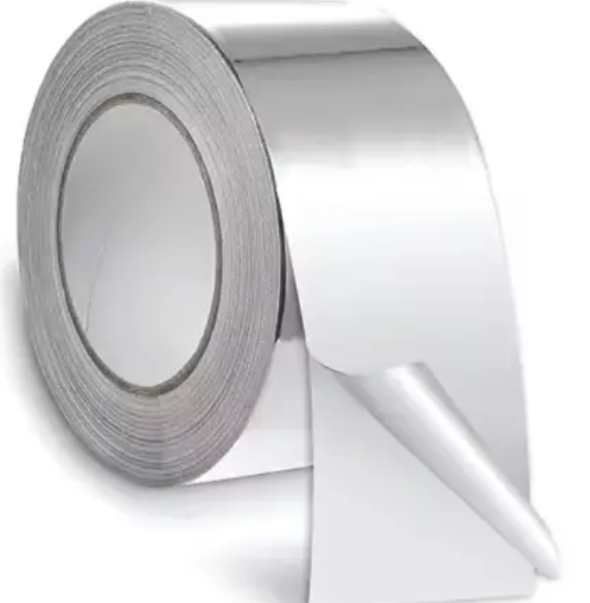
Furthermore, aesthetic enhancements no longer require resource-intensive, secondary post-processing stages. By integrating silver, gold, and holographic laser surface treatments directly onto the face stock, SWLABEL enables manufacturers to achieve premium visual effects without executing traditional, energy-consuming hot stamping or foil decoration processes. This integration simplifies production workflows and minimizes material waste.
Environmental compliance also extends to chemical formulations, particularly concerning volatile organic compounds (VOCs). Traditional solvent-based adhesives often introduce manufacturing emissions that conflict with strict international trade standards. To mitigate this issue, Zhejiang Shawei Digital Technology Co., Ltd. emphasizes the research and development of water-based and hot-melt adhesive systems. These solvent-free glues reduce VOC emissions during production while maintaining durable adhesion across diverse environmental conditions. Whether an application requires permanent bonding, clean removability, deep-freeze resilience for cold-chain logistics, or specialized heat sealing, these engineered adhesive variations ensure that custom digital printing labels adhere reliably to substrates ranging from corrugated fiberboard to industrial tires.
Variable Data and the Activation of Smart Packaging
As digital tracking networks expand, physical packaging is shifting from a passive container into an interactive node within the global supply chain. This transition relies heavily on the integration of variable data, such as individualized QR codes, serialized batch numbers, and localized tracking identifiers. When applied to custom digital printing labels, these unique data points turn standard product packaging into secure entry points for authenticating products and verifying supply chain integrity.
The execution of high-definition variable data printing requires substrates optimized for specific digital imaging technologies. SWLABEL designs its technical face stocks to ensure precise ink reception and toner adhesion across major digital printing platforms, including water-based inkjet, UV inkjet, HP Indigo, and dry toner laser systems. This technological compatibility prevents ink bleeding and maintains code legibility even when scaled to high-density matrices.
By utilizing these custom digital printing labels, international brands can implement batch-specific or even unit-specific serialization. In sectors such as pharmaceuticals, specialized electronics, and premium consumer goods, a consumer or logistics auditor can scan a high-resolution barcode to instantly access verified manufacturing histories, ingredient origins, and compliance certificates. This capability enhances consumer confidence and provides manufacturers with precise inventory control, minimizing risks associated with counterfeit distribution and unauthorized market diversion.
Accelerating Time-to-Market with Short-Run Verification
The rapid pace of consumer preferences and regional regulatory adjustments requires agile product development cycles. Traditional analog printing methods, which rely on physical plates and extensive mechanical setup, often impose prohibitive minimum order quantities (MOQs) and extended lead times, delaying product introductions. Digital printing workflows eliminate these physical constraints, allowing for efficient production of small batches and specialized sheet options.
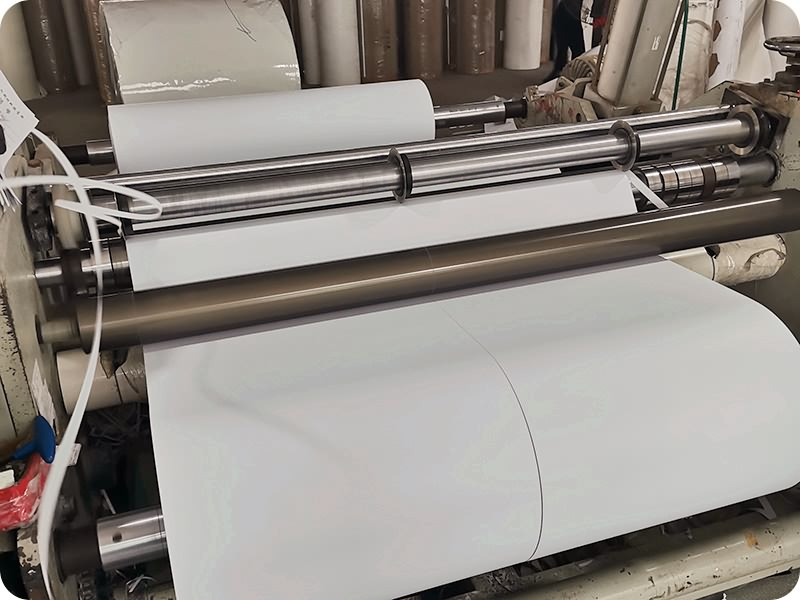
This operational agility allows product development teams to conduct rapid visual and tactile testing prior to initiating full-scale commercial manufacturing. Instead of committing to extensive material runs, brands can order low-volume test batches to verify how a specific combination of face stock—such as wood-free paper, thermal transfer media, or synthetic PE—and adhesive performs on the actual container surface.
Zhejiang Shawei Digital Technology Co., Ltd. provides these flexible short-run production capabilities to bridge the gap between initial prototype concepts and market validation. This approach allows enterprises to adjust design layouts, modify regulatory text, and test regional branding variations without incurring heavy financial penalties from obsolete inventory. Consequently, manufacturers can accelerate their time-to-market protocols, responding promptly to shifting compliance mandates or emerging consumer trends.
Conclusion
The ongoing progression of commercial packaging highlights a clear trajectory toward functional efficiency, material responsibility, and digital integration. As a dedicated digital printing labels producer, SWLABEL continues to invest in advanced substrate research and adhesive engineering to address these technical challenges. By providing a comprehensive portfolio that spans from specialized wine and tire labels to moisture-resistant wet tissue labels and durable boarding passes, the enterprise delivers reliable labeling solutions across multiple industries. For organizations seeking to optimize their packaging workflows and verify material compatibility with specific digital press systems, detailed technical resources and digital substrate charts are available for reference.
To explore specialized material formulations or schedule a technical consultation for custom applications, industry professionals can review the complete capabilities and product listings by visiting the official corporate website at https://www.zjswlabel.com/.
Post time: Aug-18-2026


